What is embedded programming with Android?
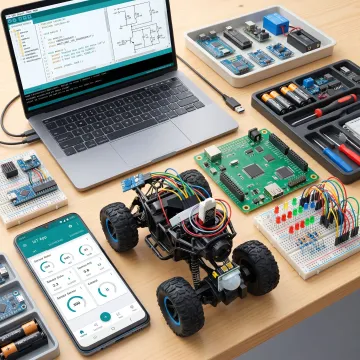
Embedded programming with Android refers to building systems where Android software interacts with hardware such as sensors, microcontrollers, displays, or connected devices. For beginners, it often involves understanding how apps, communication protocols, and electronics work together. It is useful for IoT projects, smart devices, automation concepts, and interactive prototypes that combine software with physical computing.
Is Android used in embedded systems?
Yes, Android can be used in embedded systems, especially in devices with displays, touch interfaces, or app-based control requirements. It is commonly used in smart panels, kiosks, infotainment systems, and connected products. Beginners should also learn supporting topics like electronics, microcontrollers, and communication methods so they can understand how Android interfaces with lower-level hardware components.
Do I need prior coding experience to start learning embedded programming with Android?
No prior coding experience is strictly required for a beginner-friendly introduction, but basic comfort with logic and problem-solving helps. Many learners start by understanding simple electronics, sensors, and microcontroller behavior before moving into Android-linked workflows. A hands-on approach makes the learning curve easier because you can see how code affects real hardware in practical projects.
What should beginners learn first before building Android-based embedded projects?
Beginners should first learn basic electronics, circuit components, microcontroller concepts, and simple programming logic. After that, topics like sensors, serial communication, IoT workflows, and prototyping become much easier to understand. Learning CAD or PCB basics can also help when projects move beyond breadboards into more complete product-style builds with physical enclosures and cleaner hardware layouts.
Which tools are commonly used for beginner embedded programming projects?
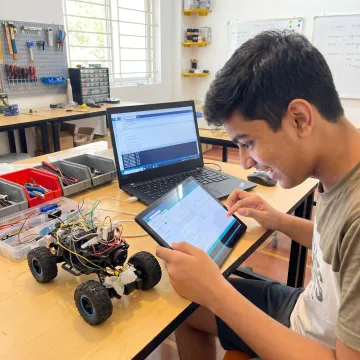
Common beginner tools include microcontroller boards, sensors, jumper wires, breadboards, soldering tools, and a computer for coding. For Android-related exploration, learners may also use an Android phone or tablet, app development tools, and communication interfaces such as Bluetooth, Wi-Fi, or USB. Prototyping tools like 3D printers and laser cutters can support more advanced project development.
How long does it take to understand the basics of embedded systems?
A beginner can understand core embedded systems concepts within a few weeks of consistent practice, especially through structured, project-based learning. Short programs of around 10 hours can introduce electronics, IoT, or PCB fundamentals, while broader pathways take longer and build deeper confidence. Progress improves significantly when learners regularly build, test, troubleshoot, and document simple working prototypes.
Can embedded programming with Android help with student portfolios or future studies?
Yes, embedded programming projects can be valuable for student portfolios because they demonstrate applied problem-solving, technical curiosity, and interdisciplinary thinking. Projects that combine Android, electronics, and prototyping show initiative beyond classroom theory. This kind of work can support future studies in engineering, design, robotics, IoT, or computer science, especially when learners document their process clearly.
What kind of learning environment is best for beginners in embedded programming?
Beginners usually benefit most from a hands-on, mentor-supported environment where they can experiment safely and learn by building. The best setup combines guided instruction with practical projects, access to tools, and room for trial and error. A collaborative maker environment is especially effective because learners can connect programming concepts to real hardware, fabrication, and iterative problem-solving.